
The Role of an In-House Architect in Seamless Construction Projects


The Importance of an In-House Architect
In the world of construction, the role of an in-house architect is pivotal. These professionals are not just responsible for designing structures; they also ensure that every aspect of the project aligns with the client's vision and regulatory standards. Having an architect as part of the team from the outset can significantly streamline the construction process.
The presence of an in-house architect allows for seamless communication between the design and construction teams. This integration ensures that any potential issues are identified and addressed early, reducing the risk of costly changes down the line. Furthermore, architects help in maintaining the aesthetic and functional integrity of the project.

Collaboration and Teamwork
An in-house architect plays a crucial role in fostering collaboration among various stakeholders. They work closely with engineers, contractors, and clients to ensure that everyone is on the same page. This teamwork enhances the efficiency and effectiveness of the project delivery.
By being part of the in-house team, architects can provide immediate feedback and solutions, facilitating a more dynamic and responsive construction process. Their involvement helps bridge the gap between the conceptual and practical aspects of building, ensuring that the final product meets both design and functional criteria.
Cost Management and Efficiency
One of the significant advantages of having an in-house architect is their ability to manage costs effectively. They are instrumental in creating designs that not only meet aesthetic goals but also adhere to budgetary constraints. Their expertise in materials and construction techniques can lead to innovative solutions that save money without compromising quality.
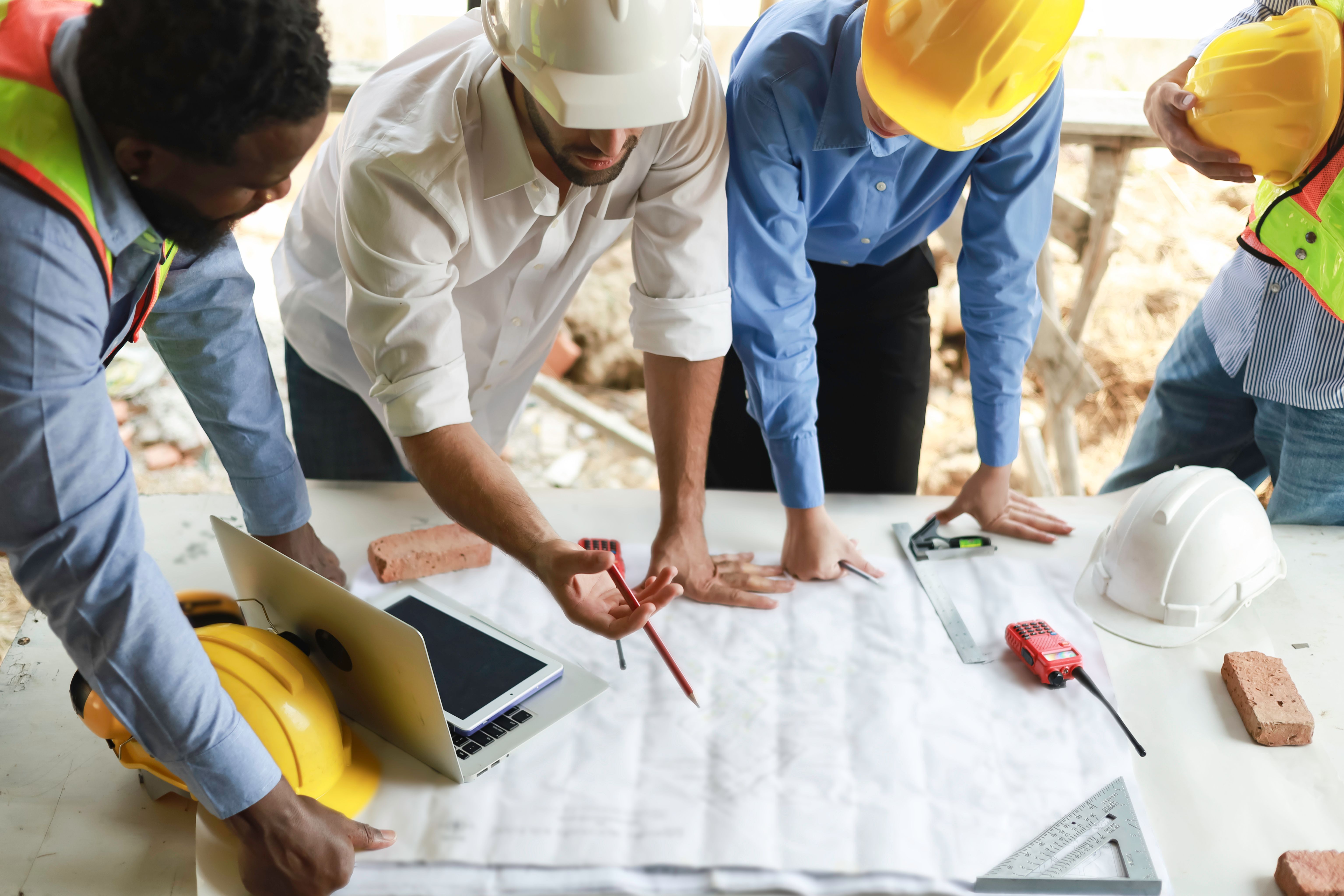
Moreover, architects can anticipate potential problems and devise strategies to mitigate them, avoiding unnecessary expenses. Their involvement in the budgeting process ensures that financial resources are allocated wisely, contributing to the overall efficiency of the project.
Ensuring Compliance and Quality
Compliance with building codes and regulations is a critical component of any construction project. In-house architects are well-versed in these requirements and ensure that all aspects of the design and construction adhere to legal standards. This vigilance prevents delays and fines associated with non-compliance.
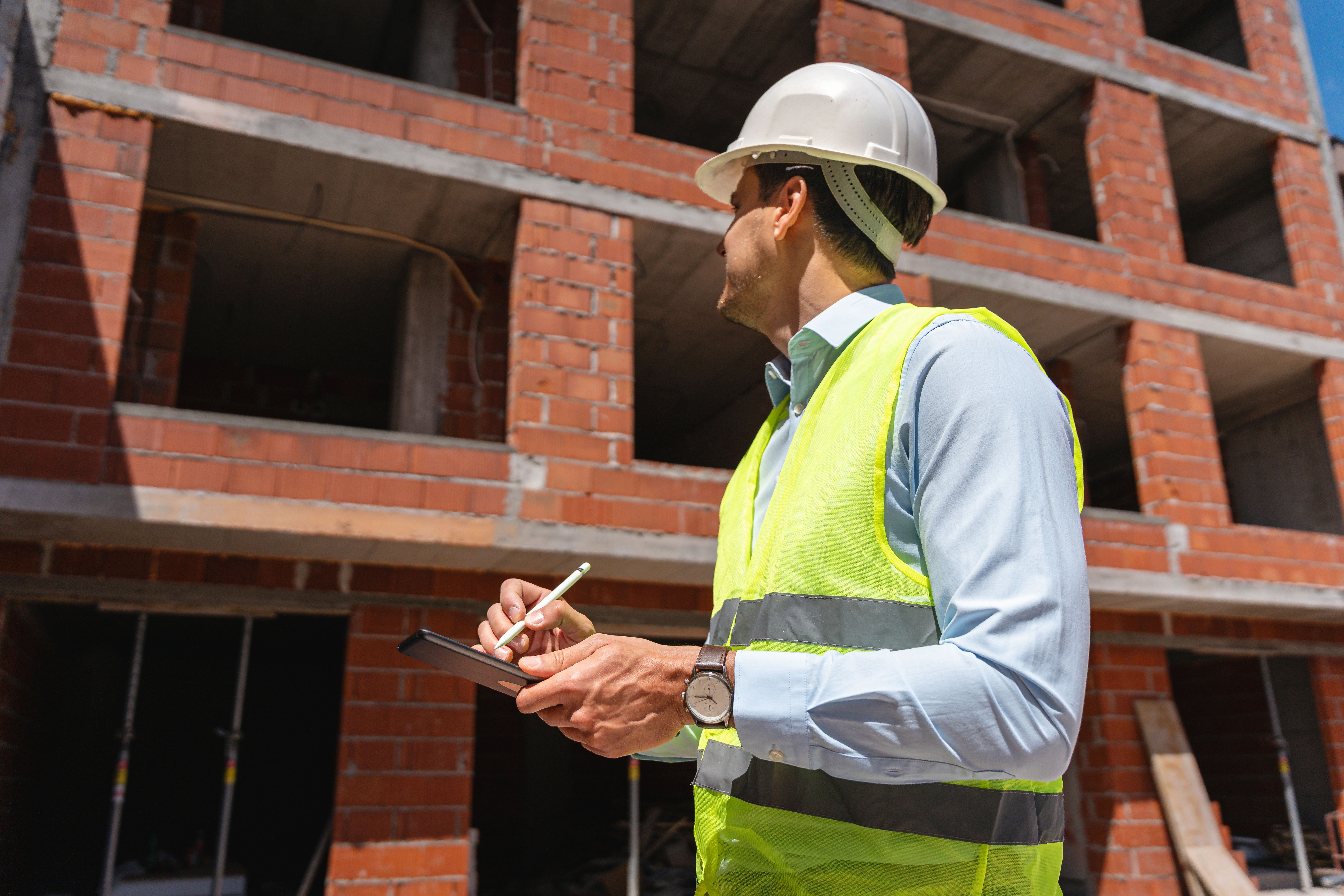
Quality assurance is another area where in-house architects excel. By overseeing the entire construction process, they ensure that the project meets the highest standards of craftsmanship and durability. Their attention to detail guarantees that the final structure is both safe and aesthetically pleasing.
Future-Proofing and Sustainability
In today's environmentally conscious world, sustainability is a priority in construction. In-house architects are at the forefront of designing eco-friendly buildings. They incorporate sustainable materials and energy-efficient systems, reducing the environmental impact of the project.
Future-proofing is also a key consideration. Architects design spaces that can adapt to evolving needs and technologies, ensuring that the building remains relevant and functional for years to come. Their foresight contributes to the long-term success and viability of the project.