
Preparing for the Wet Season: Essential Construction Tips in Auckland


Understanding the Wet Season in Auckland
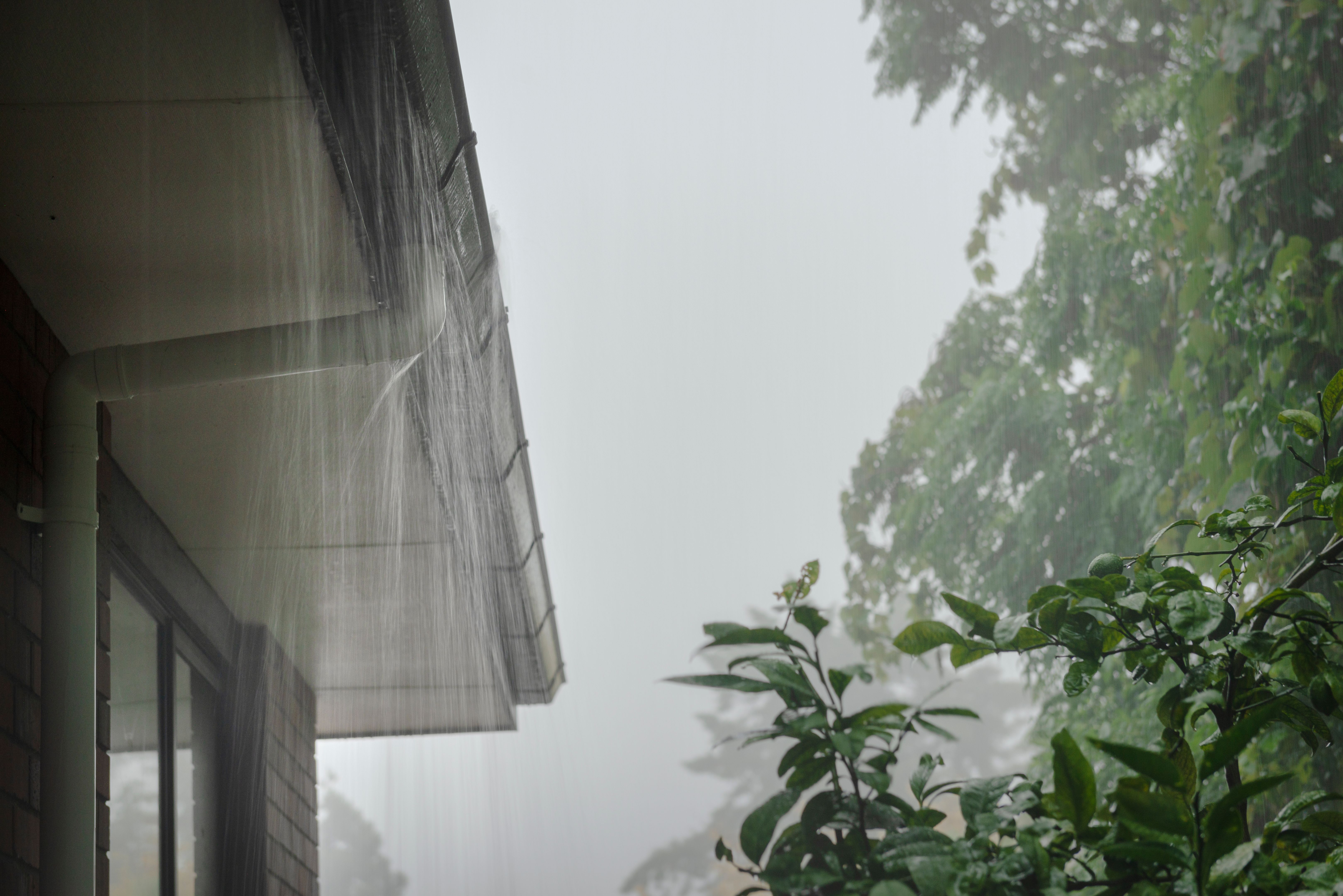
Auckland's wet season typically spans from May to September, bringing heavy rains that can impact construction projects. Preparing for these months is essential to ensure safety and maintain project timelines. Understanding the local climate patterns can help in planning and executing construction activities efficiently.
Site Preparation and Drainage
Before the wet season begins, it's crucial to prepare the construction site adequately. This includes creating effective drainage systems to prevent water accumulation. Proper drainage ensures that the site remains accessible and reduces the risk of water-related issues such as soil erosion and foundation damage.
- Evaluate the site's natural drainage patterns.
- Install temporary drainage solutions, like ditches and berms.
- Consider using gravel or crushed stone to stabilize muddy areas.
Weatherproofing Materials and Equipment
During the wet season, protecting construction materials and equipment from moisture is vital. **Waterproof covers** and storage solutions can help preserve the integrity of materials like wood and metal, which are susceptible to damage from prolonged exposure to rain.
Ensure that all equipment is checked for weather resistance, and perform regular maintenance to prevent breakdowns caused by moisture. This proactive approach can save time and money in the long run.
Adjusting Project Schedules
Flexibility in scheduling is key during the wet season. Anticipate potential delays and adjust project timelines accordingly. Incorporating buffer time into your schedule can accommodate unexpected weather changes, helping to keep the project on track.
- Monitor weather forecasts regularly.
- Plan indoor activities for rainy days.
- Communicate schedule changes promptly to all stakeholders.
Ensuring Worker Safety
The safety of workers should always be a top priority, especially in adverse weather conditions. Wet and slippery surfaces increase the risk of accidents, so implementing safety measures is essential.
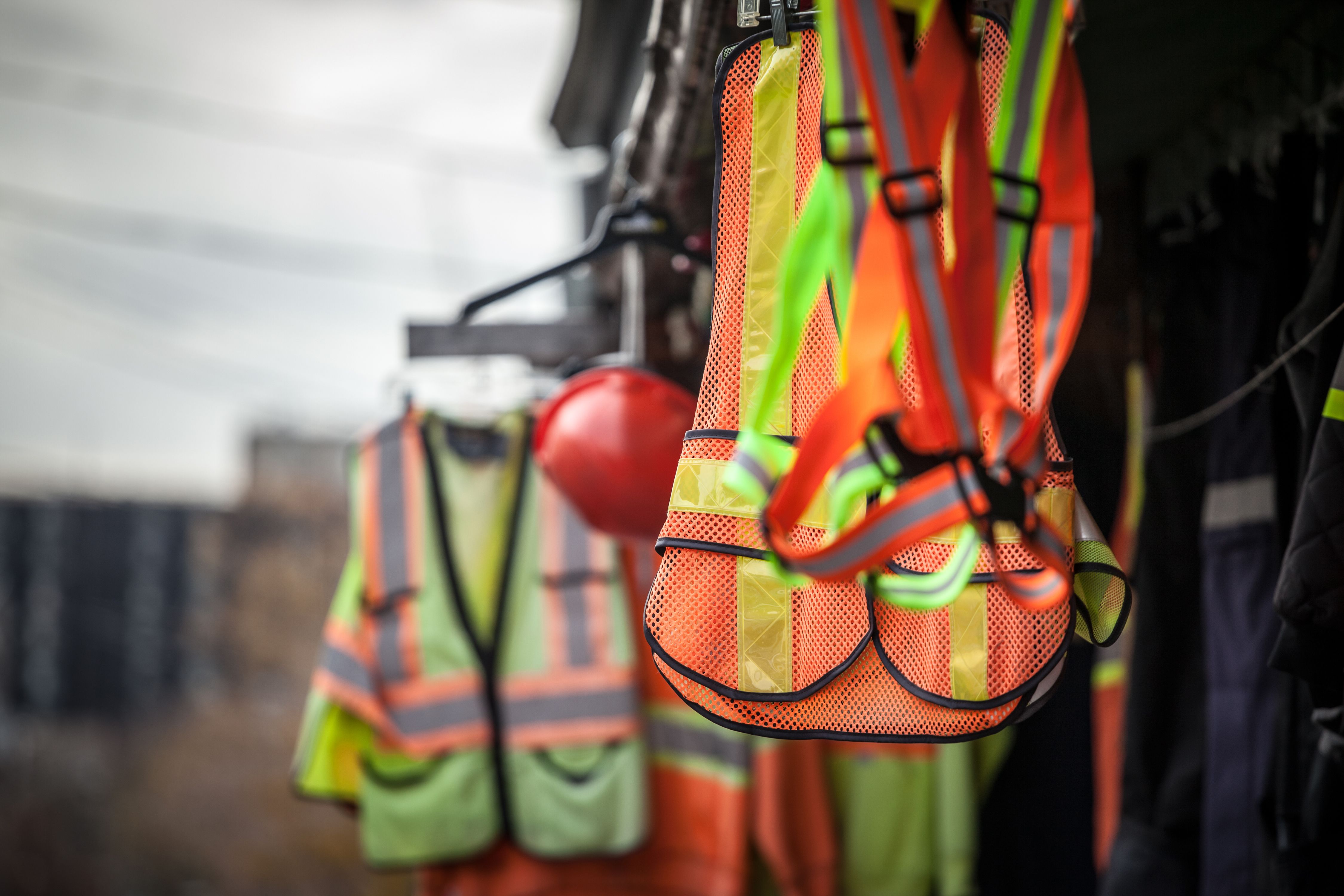
Provide adequate safety gear such as non-slip boots and rainproof clothing. Conduct regular safety briefings to remind workers of the risks associated with wet weather and the precautions they need to take.
Conclusion
Preparing for the wet season requires a strategic approach that encompasses site preparation, material protection, schedule adjustments, and worker safety. By taking these steps, construction projects in Auckland can continue smoothly, even during the rainiest months. Proactive planning and effective communication are the keys to overcoming the challenges posed by the wet season.