
Comparing Construction Management vs. Traditional Building Approaches


Understanding Construction Management
Construction management is a professional service that uses specialized project management techniques to oversee the planning, design, and construction of a project from start to finish. This approach aims to control the project's time, cost, and quality. A construction manager acts as a liaison between the project owner and the rest of the team, ensuring that everything runs smoothly and efficiently.
One of the primary benefits of construction management is the comprehensive oversight it provides. By having a dedicated manager, the risk of miscommunication is minimized, and any potential issues can be addressed promptly. This results in a more streamlined workflow and can often lead to cost savings.

Exploring Traditional Building Approaches
Traditional building approaches involve the owner directly hiring multiple contractors and managing the project themselves. This method can offer more control over individual aspects of the project, but it often requires a significant time commitment from the owner and can lead to coordination challenges.
In a traditional setting, the owner is responsible for selecting architects, engineers, and contractors. While this allows for more personal involvement, it also means the owner must have the expertise or willingness to learn about construction processes, which can be daunting.
Key Differences Between the Two Approaches
One of the main differences between construction management and traditional building is the level of involvement required from the project owner. With construction management, the owner can take a more hands-off approach, trusting the construction manager to handle the day-to-day operations.
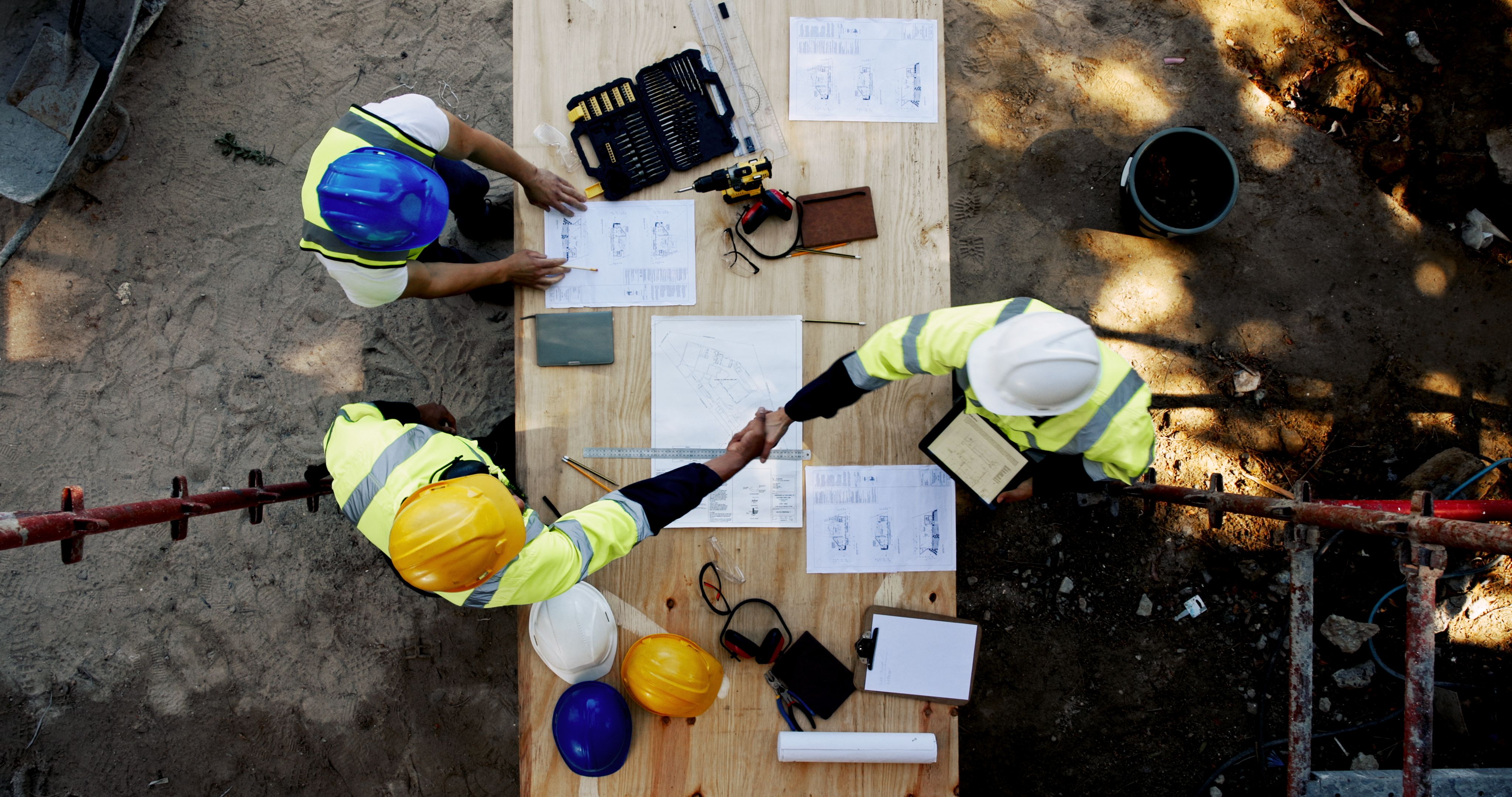
Another significant difference is the allocation of risk. In construction management, risks are distributed among the project stakeholders, while in traditional methods, the owner often bears a more substantial portion of the risk. This can impact the project's overall success and final cost.
Cost Considerations
Cost is a critical factor in any construction project. Construction management may involve higher upfront costs due to the hiring of a management team, but it can lead to long-term savings through efficient project execution and reduced delays.
Conversely, traditional building methods might appear cheaper initially, but unforeseen issues can quickly inflate costs. Without a dedicated manager, projects may face delays, resulting in additional expenses.

Time Management
Time is another crucial aspect where these two approaches differ. Construction managers are skilled in scheduling and can help ensure that projects are completed on time. This is particularly beneficial for large or complex projects where timelines are tight.
In contrast, traditional building approaches may suffer from coordination challenges, leading to potential delays. Without a central figure to manage timelines and resources, projects might not progress as smoothly.
Which Approach Is Right for Your Project?
Deciding between construction management and traditional building approaches depends on various factors, including the project's size, complexity, and your personal expertise. If you prefer a hands-on approach and are experienced in project management, traditional methods might suit you. However, for those seeking efficiency and reduced risk, construction management could be the better option.
Ultimately, the decision should align with your project's specific needs and your willingness to invest time and resources. By understanding the strengths and weaknesses of each approach, you can make an informed choice that aligns with your goals.